

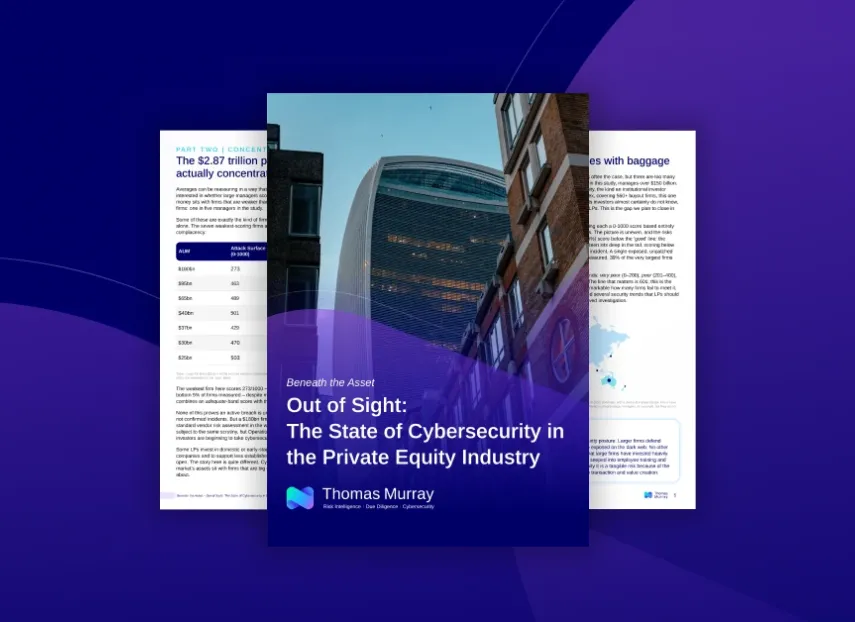
Beneath the Asset – Out of Sight: The State of Cybersecurity in the Private Equity Industry
The UK’s smallest investment funds are weak security link in protecting the IP needed for national growth, new Thomas Murray study finds.

Insource, Outsource or Both? Finding Your Place on the ODD Spectrum
Owning the judgement, sharing the workload: a balanced look at insourced, outsourced and hybrid ODD models.
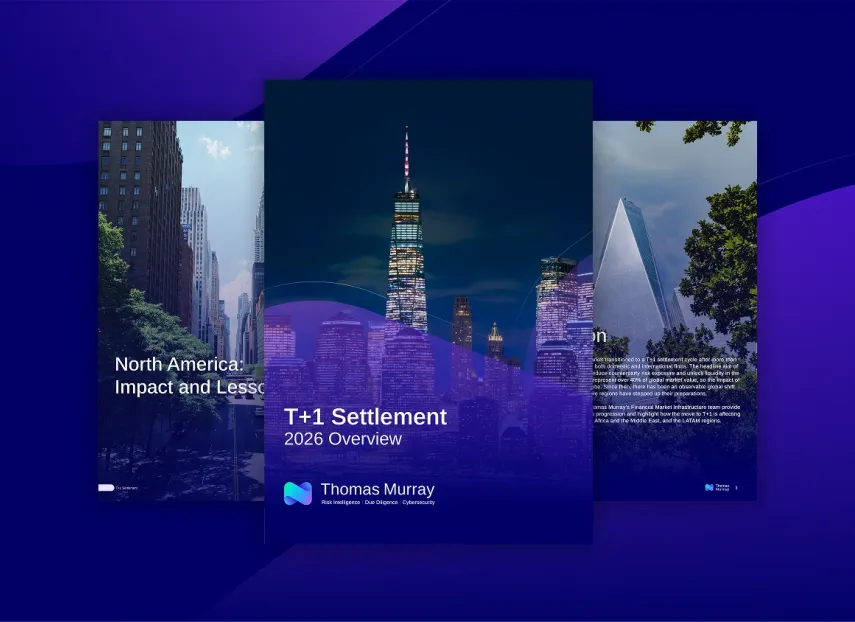
T+1 Settlement: 2026 Autumn Update
Expert analysis from Thomas Murray's Financial Market Infrastructure team of how the move to T+1 is affecting the world's markets.

How Often Should ODD Be Refreshed? A Practical Framework
Most allocators do a full ODD review every 12 to 36 months, but the right cadence depends on risk. Here's a practical five-step framework for deciding how often to review each manager.

Private Equity Has a Cyber Risk Blind Spot
Private equity has become much better at assessing cyber risk, but it may be looking in the wrong place.

What AI Actually Changes About the DDQ (and What It Doesn't)
AI is transforming DDQ workflows, but it doesn't change what a questionnaire actually is: self-reported data. Here's where the line falls, and what to ask before adopting an AI-assisted tool.

From RFP to Ongoing ODD: Closing the Monitoring Gap
RFP rigour rarely survives past manager selection. What a robust RFP process looks like, and how to close the monitoring gap that opens once it's over.
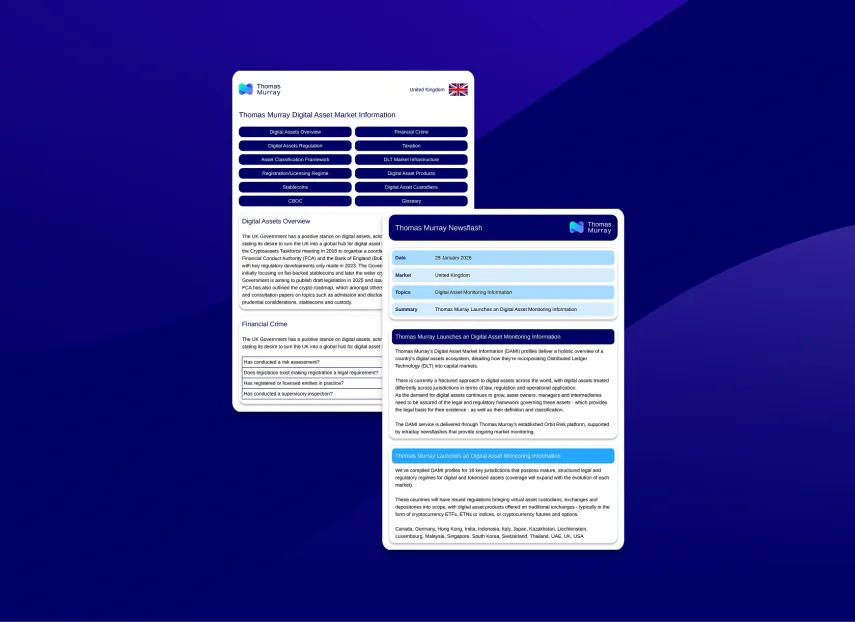
Thomas Murray Announces Significant Expansion of Digital Asset Market Information (DAMI) Service with Launch of Phase 2
Thomas Murray, a global leader in risk management, due diligence, and cybersecurity services, is proud to announce the launch of Phase 2 of its Digital Asset Market Information (DAMI)

Fool me once: What the Apollo breach tells private equity about the threats it now faces
Apollo’s August breach was one data point in a five-week campaign mapping 200+ private capital firms. What it means for fund-level cyber risk.

Securities Depository Center, Edaa, Announces its Compliance with the PFMI
Edaa is pleased to announce its continued compliance with the PFMI following a review by Thomas Murray.